August 21, 2026
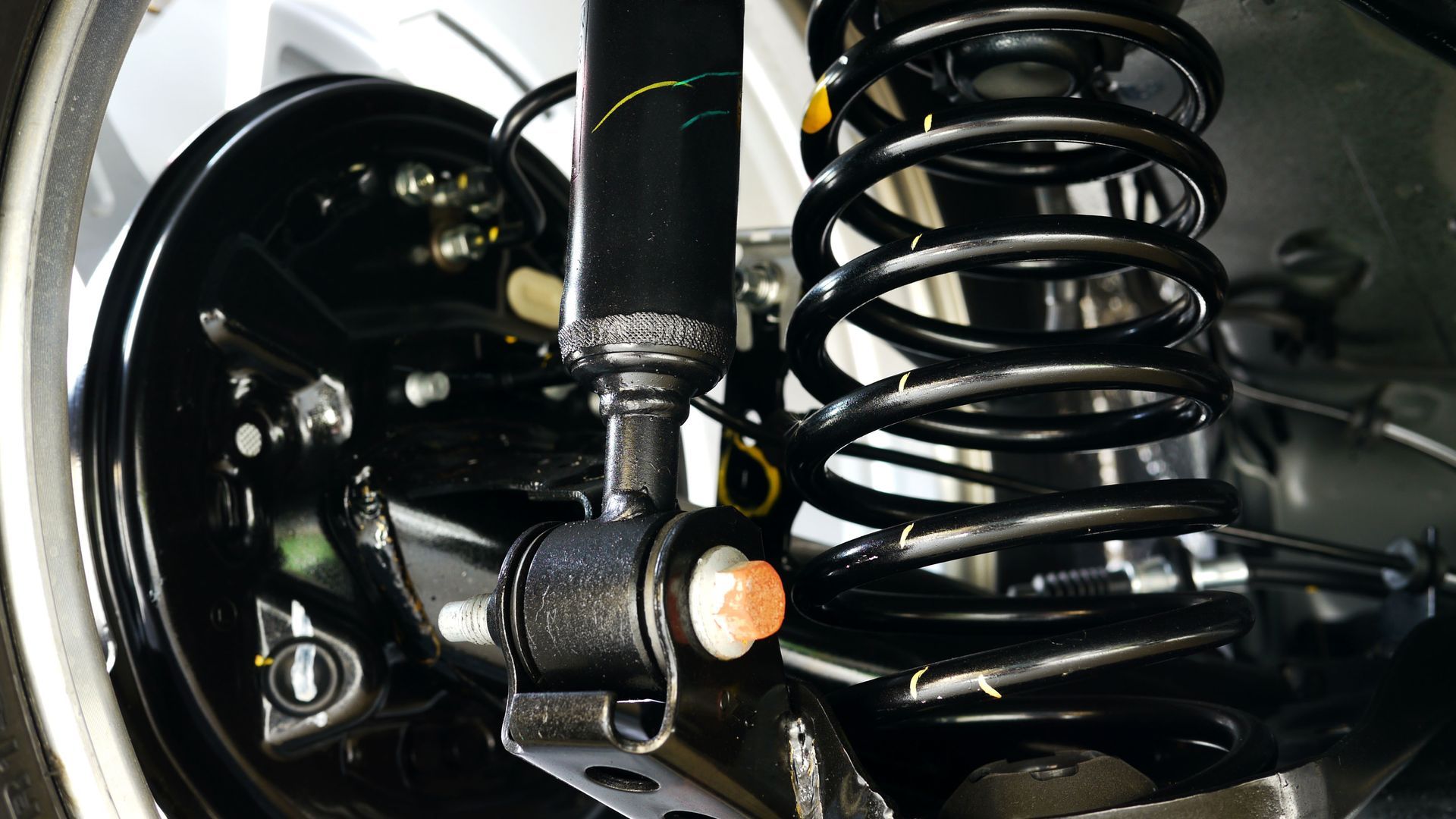
A vehicle's suspension system plays an important role in how smoothly and safely it travels over different road surfaces. While drivers often notice problems when a ride becomes unusually rough, suspension components also influence handling, steering response, braking, and overall stability. Shocks, struts, springs, control arms, bushings, and related components work together to keep the tires connected with the road. When one or more of these parts becomes worn, the vehicle may begin to feel unstable or uncomfortable. Problems can develop gradually, which means drivers may not immediately recognize that their suspension needs attention. Regular inspections can help identify worn components before they contribute to larger mechanical concerns. According to Gitnux, about 20% of auto repairs are attributed to improper maintenance or neglect, highlighting the importance of keeping up with routine vehicle care. Understanding how suspension repairs affect everyday driving can help motorists recognize why these services matter.
Improving Overall Ride Comfort
A properly functioning suspension system helps absorb bumps, dips, and imperfections in the road before they are transferred into the passenger compartment. When shocks or struts become worn, the vehicle may bounce excessively after traveling over uneven surfaces. Drivers may also notice that ordinary roads feel much rougher than they once did. Steering and suspension repair can restore the vehicle's ability to manage these movements more effectively. New or properly functioning components help control the movement of the springs and keep the vehicle from continuing to bounce after hitting a bump. This can make daily commutes, highway trips, and longer journeys more comfortable for everyone inside the vehicle. A smoother ride can also reduce the feeling of being tossed from side to side when traveling over uneven pavement. Addressing worn suspension components can therefore make a noticeable difference in the overall driving experience.
Supporting Better Vehicle Stability
Suspension components do more than provide a comfortable ride because they also help keep the vehicle stable during everyday driving. When suspension parts wear out, the vehicle may lean excessively when turning or feel unsettled when changing direction. This can make drivers feel less confident behind the wheel, particularly on winding roads or during sudden maneuvers. Proper steering and suspension repair can help restore the controlled movement expected from a properly maintained vehicle. Shocks and struts help limit unnecessary body movement while other components maintain the intended geometry of the suspension system. When these parts operate correctly, the vehicle can respond more predictably to steering inputs. Better stability can make routine driving feel more controlled and consistent. Maintaining suspension components is therefore an important part of preserving the vehicle's handling characteristics.
Enhancing Steering Response
The suspension and steering systems work closely together, so problems in one area can influence how the vehicle responds to driver input. Worn suspension components may contribute to loose, delayed, or inconsistent steering sensations. A driver might notice that the vehicle does not immediately respond as expected when turning the steering wheel. Steering and suspension repair can address damaged or worn components that may be affecting the vehicle's steering behavior. Technicians can inspect related parts to determine whether issues are caused by worn bushings, tie rods, ball joints, struts, or other components. Restoring these parts can help the steering system maintain the geometry and responsiveness intended by the vehicle manufacturer. Improved steering response can make parking, cornering, and highway driving feel more predictable. Prompt attention to steering concerns may also prevent minor handling issues from becoming more complicated problems.
Promoting Even Tire Contact
The suspension system helps keep the tires in contact with the road as the vehicle moves across changing surfaces. Consistent tire contact is important because the tires provide the actual connection between the vehicle and the pavement. Worn shocks, struts, or other suspension components can allow excessive movement that reduces consistent contact with the road. Steering and suspension repair can help restore the controlled suspension movement needed to support proper tire contact. When the suspension works correctly, each tire can respond more effectively to bumps and changes in the road surface. Better contact can contribute to predictable handling and improved traction during normal driving. It may also help reduce irregular tire wear caused by suspension problems or related alignment issues. Maintaining the suspension can therefore support both driving comfort and the condition of another major vehicle component.
Reducing Excessive Vehicle Bouncing
Excessive bouncing is one of the more recognizable signs that a vehicle's suspension may require attention. A vehicle should settle relatively quickly after passing over a bump rather than continuing to bounce repeatedly. Worn shocks or struts can lose their ability to control spring movement, allowing the vehicle body to move more than it should. Steering and suspension repair can replace or address components that are no longer controlling this movement effectively. Reducing unnecessary bouncing can make the ride feel substantially more composed on uneven roads. It can also help prevent excessive weight transfer when the vehicle accelerates, brakes, or changes direction. Drivers may notice that the vehicle feels more settled after the appropriate components have been repaired. Recognizing persistent bouncing as a potential warning sign can encourage motorists to schedule an inspection before the condition worsens.
Improving Braking Behavior
Although brakes are responsible for stopping the vehicle, suspension condition can influence how the vehicle behaves during braking. Worn suspension components may allow excessive forward movement or other body motion when the driver applies the brakes. This can make the vehicle feel less controlled, particularly during harder stops. Steering and suspension repair can address suspension-related movement that affects the vehicle's overall behavior while slowing down. Properly functioning shocks and related components help manage weight transfer as the vehicle decelerates. A stable vehicle can provide a more predictable sensation when braking under ordinary road conditions. Suspension maintenance should not replace regular brake inspections, but both systems contribute to controlled vehicle operation. Having related components inspected together can help technicians identify issues that may affect the vehicle's overall driving characteristics.
Extending Tire and Component Life
Ignoring suspension problems can sometimes contribute to additional wear on other vehicle components. Tires may develop uneven wear when suspension or alignment components are no longer functioning properly. Continued driving with worn parts can also place additional stress on other suspension components and related systems. Steering and suspension repair can address problems before they have an opportunity to contribute to unnecessary secondary wear. Technicians may inspect shocks, struts, springs, bushings, ball joints, control arms, and other related parts during a suspension evaluation. Identifying worn components early can make it easier to determine which repairs are needed and which parts remain in good condition. Maintaining these systems can help homeowners and drivers avoid turning a relatively manageable repair into a more extensive service issue. Regular inspections can therefore support both vehicle performance and long-term maintenance planning.
Comfort and stability are valuable benefits of suspension maintenance, but the broader purpose is to keep the vehicle operating as it was designed. A vehicle with worn suspension components may feel unpredictable when cornering, braking, accelerating, or traveling over rough pavement. Steering and suspension repair can help restore the controlled movement and handling characteristics that drivers expect from their vehicles. Warning signs such as uneven tire wear, excessive bouncing, unusual noises, pulling, or a drifting sensation should not be ignored. A professional inspection can determine whether these symptoms are connected to suspension components or another mechanical system.
Addressing problems early may help drivers maintain more predictable handling and avoid unnecessary stress on related parts. Routine maintenance is especially valuable because suspension problems can develop gradually without producing an obvious failure. When your vehicle needs dependable service to improve comfort, handling, and stability, D & J's Automotive can inspect the system and recommend the appropriate repairs, so contact the company today to schedule an appointment and keep your vehicle performing at its best.