October 21, 2026
The suspension system is crucial for the overall functionality and safety of a vehicle. Relying on trusted local auto mechanics for routine maintenance ensures these systems remain in peak condition. When suspension parts become worn out, they can significantly impact braking and steering, leading to potential hazards on the road. This article will explore how and why worn suspension parts affect these critical vehicular functions. Understanding these impacts is essential not only for ensuring a smooth ride but also for maintaining the vehicle's integrity and safety. As we delve deeper, the relationship between the suspension system and the vehicle's primary controls—the brakes and steering—will become clear.
Understanding the Role of Suspension in Vehicle Dynamics
Examining Suspension Components
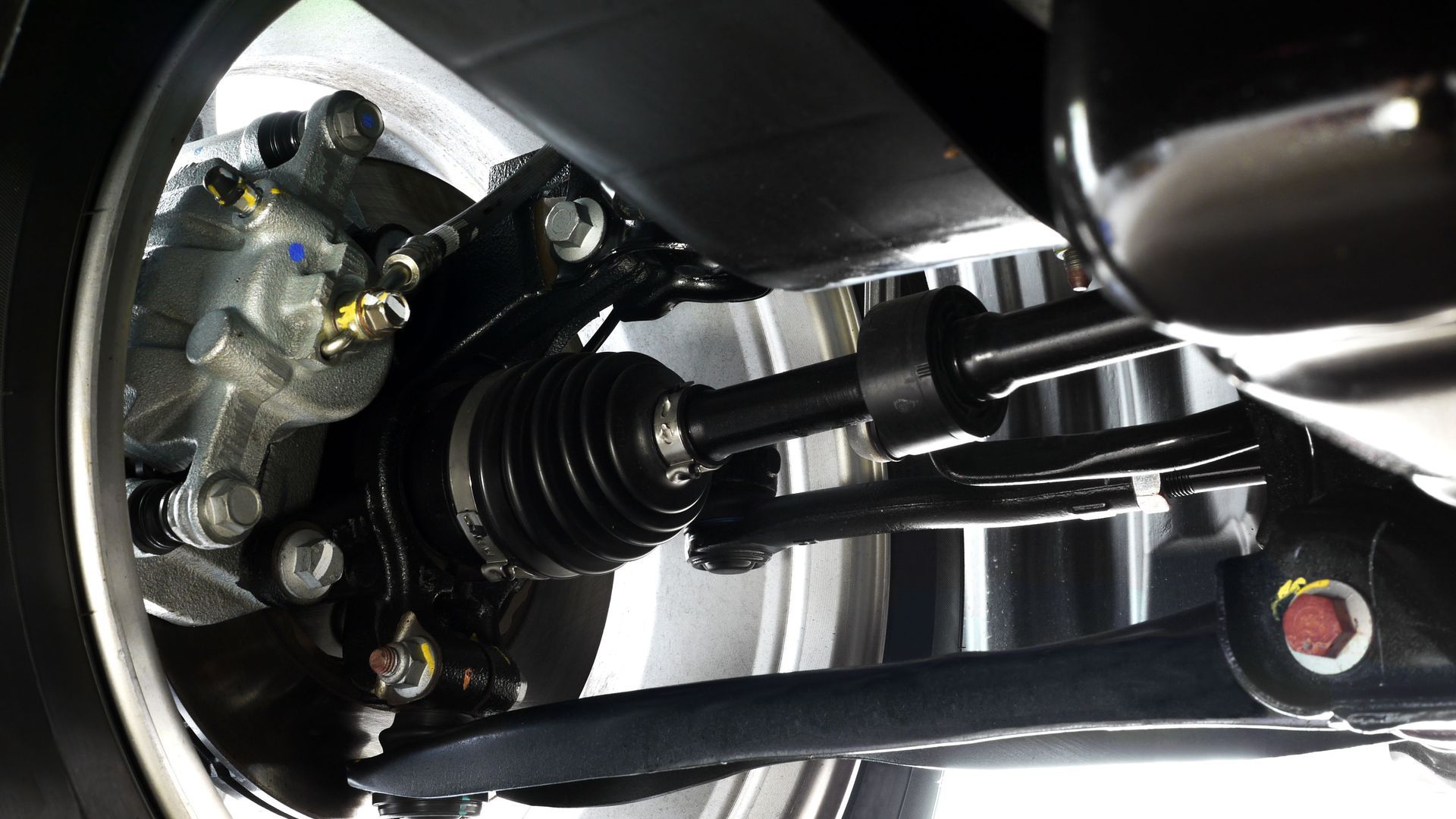
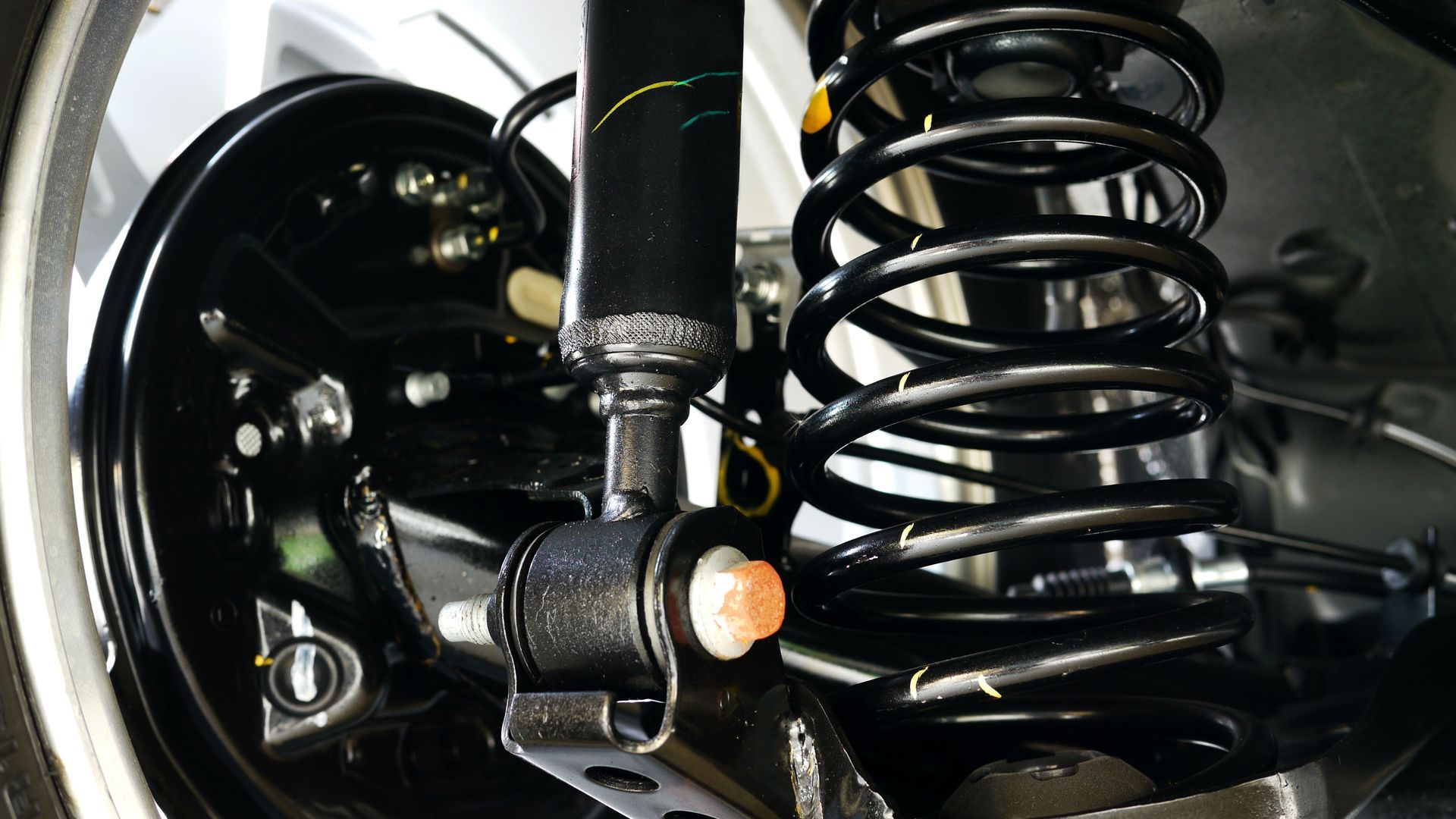
Vehicle suspension systems are comprised of several key components that work together to maintain control and stability. According to Chase, vehicle suspension systems consist of three main components: rods, springs, and dampers. These components interact to absorb shocks from the road, maintaining vehicle handling and passenger comfort. Springs provide the initial support and damping, while the rods maintain the structure's integrity. Dampers, often referred to as shock absorbers, control the oscillations induced by the springs and ensure the tires remain in contact with the road. The harmonious operation of these parts is vital for a stable driving experience.
Connecting Suspension to Vehicle Stability
A well-functioning suspension system is integral to vehicle stability, particularly when navigating uneven or challenging terrains. Experienced local auto mechanics can assess how the system distributes vehicle load changes, stabilizing the body during acceleration, braking, and cornering. As suspension parts wear out, this distribution becomes uneven, leading to a loss of stability. Worn components can cause the vehicle to roll excessively during turns, making it harder for the driver to maintain control. Furthermore, this instability can increase the risks of skidding or rollover accidents, especially in high-speed or emergency maneuvers.
Assessing the Impact of Suspension on Ride Comfort
Beyond stability, the suspension system plays a pivotal role in ensuring a comfortable ride for passengers. Springs and dampers work in unison to smooth out road imperfections, ensuring minimal disturbance is felt inside the cabin. Worn suspension parts can lead to an increased transmission of road shocks, translating into a bumpy ride. Passengers may experience uncomfortable jolts, vibrations, and general unease, detracting from the overall driving experience. This discomfort, over time, becomes more than just a nuisance—it can lead to fatigue and reduced concentration, potentially compromising driver safety.
Analyzing How Worn Suspension Parts Affect Braking
Measuring Increased Stopping Distances
One of the primary concerns with worn suspension components is their effect on braking distances. Effective braking requires that the tires remain firmly in contact with the road, which is the primary job of the suspension system. Consulting certified local auto mechanics can help identify worn parts that lead to inadequate tire contact, increasing the distance required to bring the vehicle to a stop. When suspension components are compromised, the vehicle might skid or slide longer before stopping, particularly on wet or slick surfaces. This delayed stopping time can be the difference between avoiding an obstacle and a potential collision, underscoring the critical need for frequent suspension checks.
Identifying Uneven Brake Pad Wear
The condition of the suspension system also directly influences brake pad wear. When suspension parts are worn, the uneven distribution of force can lead to uneven brake pad application. This means that some pads might wear out faster than others, leading to reduced braking efficiency and higher maintenance costs over time. Uneven brake wear not only diminishes performance but can also cause vibrations and noises during braking. Continuous monitoring and maintenance by reliable local auto mechanics can prevent these issues, ensuring safe and effective braking performance.
Evaluating the Increased Risk of Skidding
Skidding is a dangerous consequence that can arise from worn suspension components. The suspension's job is to maintain tire traction with the road surface, which is compromised when parts are worn out. This loss of traction can make the vehicle more susceptible to skidding, particularly during sudden braking or in wet conditions. The lack of control during a skid can lead to severe accidents, emphasizing the need to address suspension wear promptly. Regular suspension inspections can detect early signs of wear, allowing for timely repairs and minimizing the risk of skidding.
Evaluating How Worn Suspension Parts Impact Steering
Correcting Altered Steering Precision
Precision in steering is vital for safe vehicle operation, and the suspension system plays a crucial role in maintaining it. When suspension components are worn, the vehicle's response to steering input becomes less accurate. Drivers may experience a delay in response or a tendency for the vehicle to wander, which can be hazardous in traffic or at high speeds. This loss of precision means drivers have to constantly adjust, leading to fatigue and increased risk of accidents. To maintain optimal steering performance, suspension components must be regularly inspected and replaced by qualified local auto mechanics when necessary.
Reducing Increased Steering Effort
Worn suspension parts can also lead to increased effort required to steer the vehicle. This is because misalignment or damage to suspension components can cause additional resistance against steering movements. Drivers might find themselves exerting more force than usual to turn the wheel, which can be both tiring and frustrating. Over time, the additional effort can lead to mechanical issues, such as steering component wear and eventual failure. Addressing suspension wear promptly ensures steering remains responsive and effortless, contributing to driver comfort and safety.
Eliminating Steering Wheel Vibration
Another notable impact of worn suspension on steering is steering wheel vibration. When suspension parts are worn or damaged, they can lead to imbalances in the wheel alignment or tire rotation. Bringing your vehicle to trusted local auto mechanics helps eliminate this imbalance, which otherwise translates into noticeable vibrations in the steering wheel, particularly at higher speeds. Such vibrations can impair driver control and concentration, posing a safety risk. Performing regular suspension maintenance and addressing any signs of wear early can prevent vibrations and ensure smooth steering operation.
Recognizing Symptoms of Worn Suspension Parts
Spotting Unusual Tire Wear Patterns
One of the most evident symptoms of worn suspension parts is unusual tire wear patterns. Uneven or abnormal tire wear is often a direct result of misalignment or improper load distribution caused by worn suspension components. Drivers should regularly inspect their tires for signs of feathering, cupping, or patchy wear, or bring their vehicle to knowledgeable local auto mechanics. Detecting these patterns early can prevent further suspension and tire damage. Addressing these issues promptly can extend tire life and improve vehicle handling and safety.
Diagnosing Excessive Vehicle Bouncing
Excessive bouncing is another clear indicator of worn suspension components. The suspension system, particularly the dampers, is responsible for minimizing bouncing after hitting bumps or road irregularities. If the vehicle continues to bounce excessively, it is a sign that the dampers may be failing. This not only affects ride comfort but also compromises vehicle handling and stability. Having experienced local auto mechanics perform regular checks and maintenance ensures all suspension components are working efficiently, preventing excessive bouncing and maintaining a smooth, stable ride.
Understanding the impact of worn suspension parts on braking and steering is critical for maintaining a safe and functional vehicle. Regular maintenance, timely replacement of components, and informed choices on repairs can help mitigate the risks associated with worn suspension systems. By staying proactive, drivers can ensure both their safety and the longevity of their vehicles. A well-maintained suspension system not only enhances driving comfort but also significantly contributes to road safety. As emphasized, addressing suspension issues promptly and effectively preserves the integrity and performance of the vehicle.
Keep your vehicle handling safely and smoothly on every drive by contacting D & J's Automotive today to schedule your suspension inspection with expert local auto mechanics!